
Most people wash their bed sheets on autopilot: toss them in, add detergent, hit start. But washing bedding and sheets properly takes a little more thought than a regular load of clothes. The wrong water temperature, a too-small washing machine, or a skipped rinse cycle can leave your sheets feeling stiff, smelling musty, or wearing out faster than they should.
Whether you are swapping out summer bedding, moving into a dorm at Ohio University, or turning over cabins for Hocking Hills guests, this guide covers how to wash bedding and sheets properly so they come out clean, soft, and ready to use.

How Often Should You Wash Your Bed Sheets?
The general recommendation from dermatologists and textile researchers is once per week. After seven nights, sheets accumulate sweat, body oils, dead skin cells, and dust mites. If you have allergies or sensitive skin, you may want to wash them more often.
Pillowcases need the most frequent attention because they collect facial oils and hair products directly. Wash pillowcases each time you wash your sheets for the best results.
Wash duvet covers with your sheets if you don’t use a top sheet. Comforters need washing less often, a few times a year or when they look or smell dirty.
For vacation rental operators turning over Hocking Hills cabins, every piece of bedding gets washed between guests. Washing bedding properly between guests is the industry standard for guest satisfaction and hygiene.
Step by Step: How to Wash Bedding and Sheets Properly
1. Strip and sort. Separate sheets from heavier items like comforters and blankets. Wash bed sheets with other lightweight items (pillowcases, light cotton towels) and save bulky bedding for its own load. Mixing heavy and light items causes uneven agitation and leaves sheets tangled around heavier pieces.
2. Check the care label. Every set of sheets has a care label with specific washing instructions. Cotton sheets typically handle warm water well. Microfiber and bamboo sheets often require cold water. Check the care label before selecting your cycle to avoid shrinkage or fabric damage.
3. Load the washing machine loosely. Sheets need room to circulate. An overstuffed drum traps detergent, prevents proper rinsing, and produces that crunchy texture nobody wants. Don’t put more than one full set of queen or king sheets in a standard home washer. A large-capacity laundromat washer fits several sets at once.
4. Choose the right cycle and water temperature. Use warm water (around 105 to 110 degrees Fahrenheit) for cotton and cotton-blend sheets. Warm water lifts body oils and is gentler on cotton than hot water. For microfiber or bamboo sheets, drop to a cool or cold cycle. Hot water (130+ degrees) is reserved for white cotton sheets that need sanitizing or for commercial linen turnovers.
5. Use the right amount of detergent. More soap does not mean cleaner sheets. Excess detergent leaves a residue that traps odors and makes fabric feel stiff. Follow the dosing guide on the bottle and use a liquid formula over powder. Powder can clump in folds and leave white spots on dark sheets.
6. Add an extra rinse. If your washing machine offers an extra rinse cycle, select it. Bedding absorbs more water and detergent than regular clothes, and a single rinse often leaves soap behind. This one step makes the biggest difference in how soft your sheets feel after drying.
7. Dry on medium heat. High heat damages elastic in fitted sheets and weakens cotton fibers over time. Medium heat dries sheets thoroughly without the damage. Remove them promptly to reduce wrinkles, and fold or put them back on the bed right away.

Water Temperature Guide for Different Bedding Fabrics
Not all bedding responds the same way to heat. Here is a quick reference for each fabric type:
| Fabric | Wash Temp | Dryer Setting | Notes |
|---|---|---|---|
| Cotton percale | Warm water (105-110°F) | Medium | Gets softer with each wash |
| Cotton sateen | Warm water (105-110°F) | Low to medium | Hot water can dull the sheen |
| Microfiber | Cool/Cold | Low | Heat damages synthetic fibers |
| Bamboo/Tencel | Cold | Low or air dry | Shrinks in hot water |
| Linen | Cool to warm | Low or air dry | Wrinkles are normal |
| Flannel | Warm water (100-110°F) | Low | Prone to pilling on high heat |
| White cotton (sanitize) | Hot water (130°F+) | Medium to high | Add oxygen bleach if needed |
When you wash bedding properly and match the temperature to the fabric, your cotton sheets, microfiber sets, and linen pieces all last longer and feel better against your skin.
How to Wash Comforters, Duvets, and Oversized Bedding
Comforters and duvets are where home washing machines fall short. A king-size comforter needs a washer of about 4.5 cubic feet or more, and many home washers are smaller than that. Stuffing a comforter into a machine that is too small means the fill gets compressed, the detergent does not penetrate properly, and the center stays dirty.
At Highlander Laundromat, the large-capacity commercial machines handle king-size comforters with space to spare. The drum agitates the fill evenly, the water temperature stays consistent, and the spin cycle extracts enough water that drying time drops significantly.
For down and down-alternative comforters, use cold water and a gentle cycle. Add two to three clean tennis balls or wool dryer balls to the dryer to break up clumps and redistribute the fill as it dries. Run the dryer on low heat for two to three full cycles. Down comforters that feel dry on the outside can still hold moisture inside, so check the center before you fold them.
Highlander also washes comforters by the item, including down. See current rates or call (614) 204-5884. If you would rather skip the process entirely, the wash, dry, fold team handles it for you.
Common Sheet-Washing Mistakes and How to Avoid Them
Using fabric softener on every wash. Fabric softener coats fibers with a waxy layer that reduces absorbency and traps odors over time. Use it every third or fourth wash at most, or switch to white vinegar in the rinse cycle for a natural softening effect without the buildup.
Washing sheets with clothes. Zippers, hooks, and buttons snag sheet fabric and cause pilling and small tears. Keep bed sheets in their own load or pair them only with pillowcases and lightweight towels.
Ignoring the care label on fitted sheets. Fitted sheet corners stretch under heat and lose their grip over time. Medium dryer heat and prompt removal keep the elastic intact longer. The care label on most fitted sheets recommends low to medium heat for this reason.
Skipping the shake-out. Sheets that go into the dryer balled up come out unevenly dried and wrinkled. Shake each piece out properly before loading the dryer.
Waiting too long between washes. Body oils oxidize on fabric and create those yellow spots you see on older sheets. Washing properly and on schedule prevents permanent discoloration.
Why a Laundromat Works Better for Bedding
Home washing machines handle daily clothing loads fine. Bedding is a different story. Here is why a laundromat works better for sheets, comforters, and bulk linen loads:
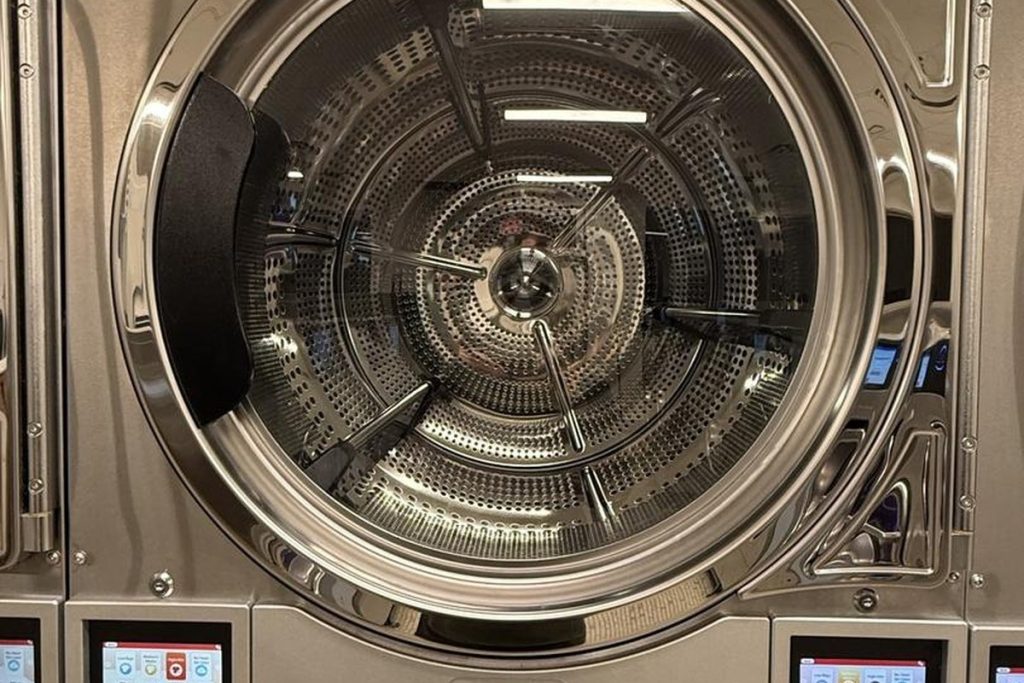
Larger drums. Commercial washers at Highlander Laundromat hold several home loads at once. That means your queen sheet set, comforter, and pillows can all go in one machine instead of being split across three home loads.
Hotter water, better extraction. Commercial machines reach and maintain sanitizing temperatures that most home water heaters cannot match. The high-speed spin cycle also pulls more water from the fabric, which cuts dry time.
Faster turnaround. Bedding that takes several loads at home can go through in one wash at the laundromat. For cabin operators turning over multiple units on the same day, that time savings adds up fast.
Professional wash and fold option. If you would rather drop it off and pick it up clean, Highlander’s wash, dry, fold service handles bedding by the pound, with same-day and next-day turnaround. Cabin operators who run larger volumes get lower per-pound rates (full pricing).
Highlander Laundromat, located at 730 E. Canal Street in Nelsonville, Ohio, is open from 6 AM to 10 PM daily and accepts card payments. Call (614) 204-5884 to ask about wash and fold, or set up pickup and delivery and recurring linen service for your vacation rental.
Frequently asked questions
How often should you wash bed sheets?
Once a week for most households. If you have allergies or sensitive skin, you may want to wash them more often.
What water temperature is best for sheets?
Warm water for cotton and cotton-blend sheets. Use cool or cold water for microfiber and bamboo, and check the care label first.
Can I wash a king-size comforter at home?
A king-size comforter needs a washer of about 4.5 cubic feet or more, and many home washers are smaller than that. The large-capacity machines at Highlander Laundromat handle king-size comforters.
Should I use fabric softener on sheets?
Use it every third or fourth wash at most. It coats fibers and traps odors over time. White vinegar in the rinse cycle softens without the buildup.
How do I keep sheets from wrinkling?
Dry on medium heat, remove them promptly, and fold them or put them back on the bed right away.